
Polyaspartic Floor Coatings
in Spencer, IA
A rugged, sunlight-tolerant finish for concrete with a real job to do, specified for the slab you have and the way the room really works.
Your Concrete Floor Shouldn't Be the Weak Point of Your Space
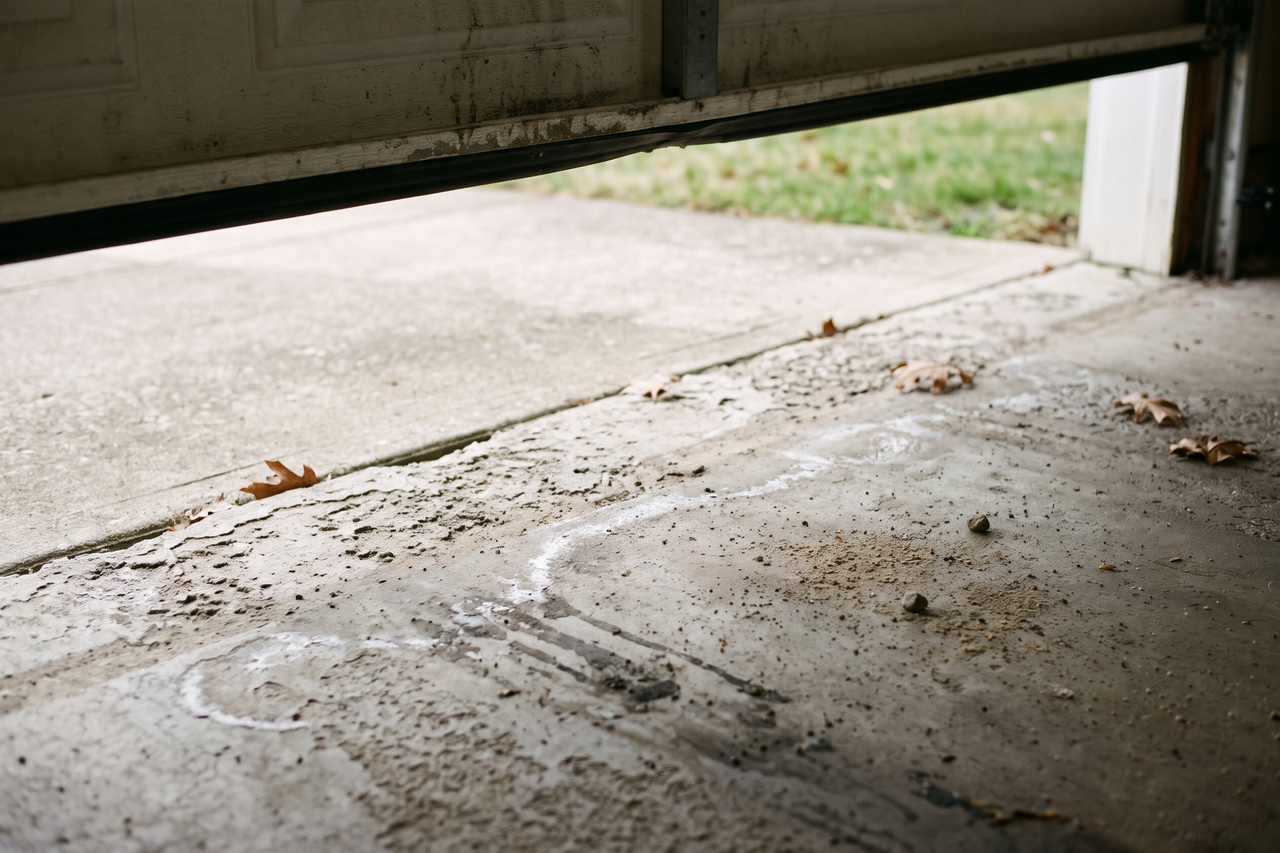
Uncoated concrete wears down quietly, and the damage usually goes unnoticed until it is obvious. Drips of oil, road salt residue and household cleaners sink into its open pores, and a stain left alone only becomes more stubborn. Tires, carts and work boots scuff away the surface bit by bit, and moisture traveling up through the slab can quietly prepare the ground for a future coating to release. Minor flaws tend to grow into repairs that never made it into the budget.
Coatings don’t all answer that pressure alike. Some epoxy products dislike sunlight, and near a raised overhead door or a sunny row of windows the finish can creep toward amber or chalk, and the usual fix is another coat. Still other products come with curing quirks that buyers never fully weighed before choosing.
Putting a coating on a hardworking concrete floor generally pays off. The real decision is the pairing of system and slab for this specific use, since that pairing governs how the surface behaves when everyday traffic shows up.
The Right Floor Coating Starts With How You Use the Space
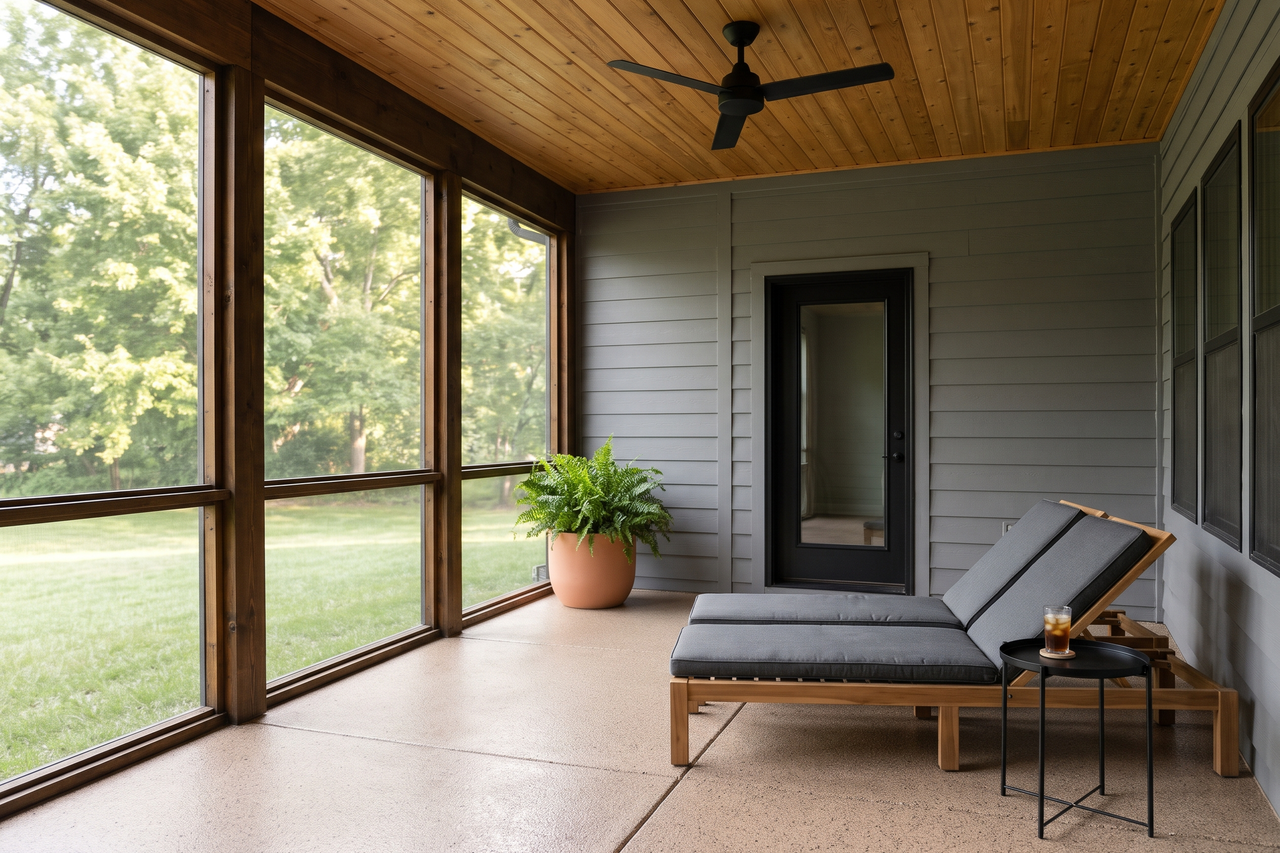
Polyaspartic earns attention for two traits: compared with many conventional epoxies it shrugs off ultraviolet light better, and abrasion does not faze it much. Planners also note that this formulation generally cures faster than many traditional epoxy systems. Where these qualities really pay is on sun-splashed floors, on surfaces scrubbed again and again and on covered outdoor slabs open to the elements.
Still, it is not an automatic pick. The backstory of the slab, what its moisture tests show, the purpose of the room and how much you plan to spend each pull on the recommendation. On some floors an epoxy base topped with polyaspartic beats either material by itself, and the right combination becomes clear only after the concrete is assessed.
Nothing replaces advice from someone standing on your actual floor. If you want some grounding first, the comparison guide below walks through where polyaspartic and epoxy differ.
A Better Floor Is Easier Than You Think
Turning gray concrete into a protected, finished floor raises a few more questions than most owners see coming, though none of them is hard once there is a plan.
01
Tell Us About Your Space
Let us know where the floor is located, what condition it is in, what goes on there, and which qualities in the finished surface matter most to you, be it UV resistance, looks, traction or some combination.
02
Choose the Right System
With the slab inspected and moisture readings in hand, your installer weighs what the room asks of its floor and points toward a direction: polyaspartic throughout, polyaspartic layered on an epoxy base, or some other system that this concrete would welcome more.
03
Transform Your Floor
Once a system is picked, prep and application fall to the flooring professional, who talks you through the plan first so every step makes sense before work starts.
Ready for a Floor Built to Perform?
To request a polyaspartic flooring estimate, describe your floor and what you are hoping the new surface will handle. A few current photos of the concrete make the scope clearer from the outset.
A Great Coating Can't Make Up for Poor Preparation
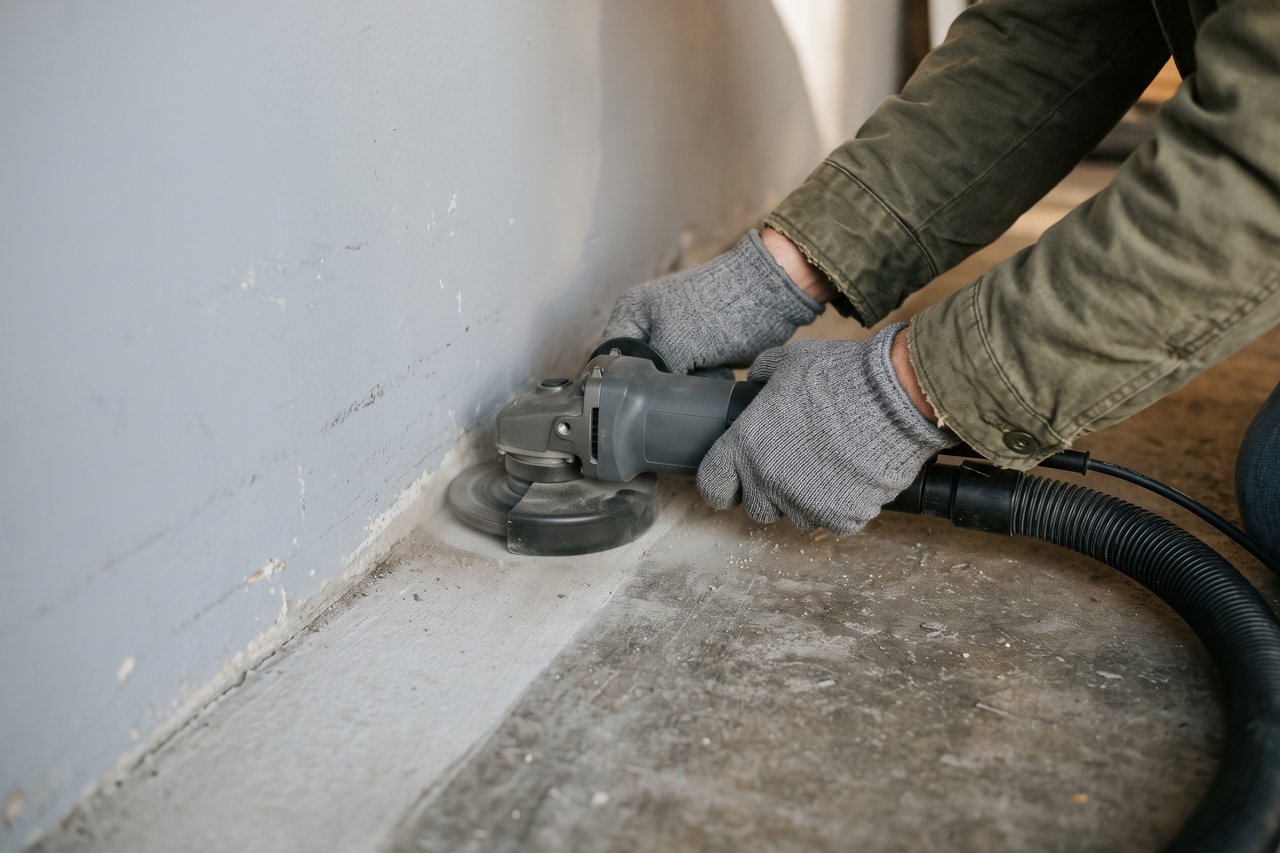
Prepared concrete is where polyaspartic shows what it can do. Preparation here means mechanical profiling, thorough cleaning and moisture testing; drop one and the coating is laid onto a surface that resists a dependable bond, putting adhesion at a disadvantage from the first pass.
Because the blend generally cures faster than many traditional epoxy systems, corrections get harder once material is mixed and spreading is underway. Half-ready concrete won’t do; every bit of prep must be finished before the first stroke.
Getting the grind profile right, patching defects and confirming moisture give the new coat something solid to stand on. Preparation is often part of the problem when a coating gives out early; trapped slab moisture, product selection and the conditions during application belong on that list as well. Handling all four up front lays a better foundation for long-term performance.
A Floor That Looks Better and Works Harder
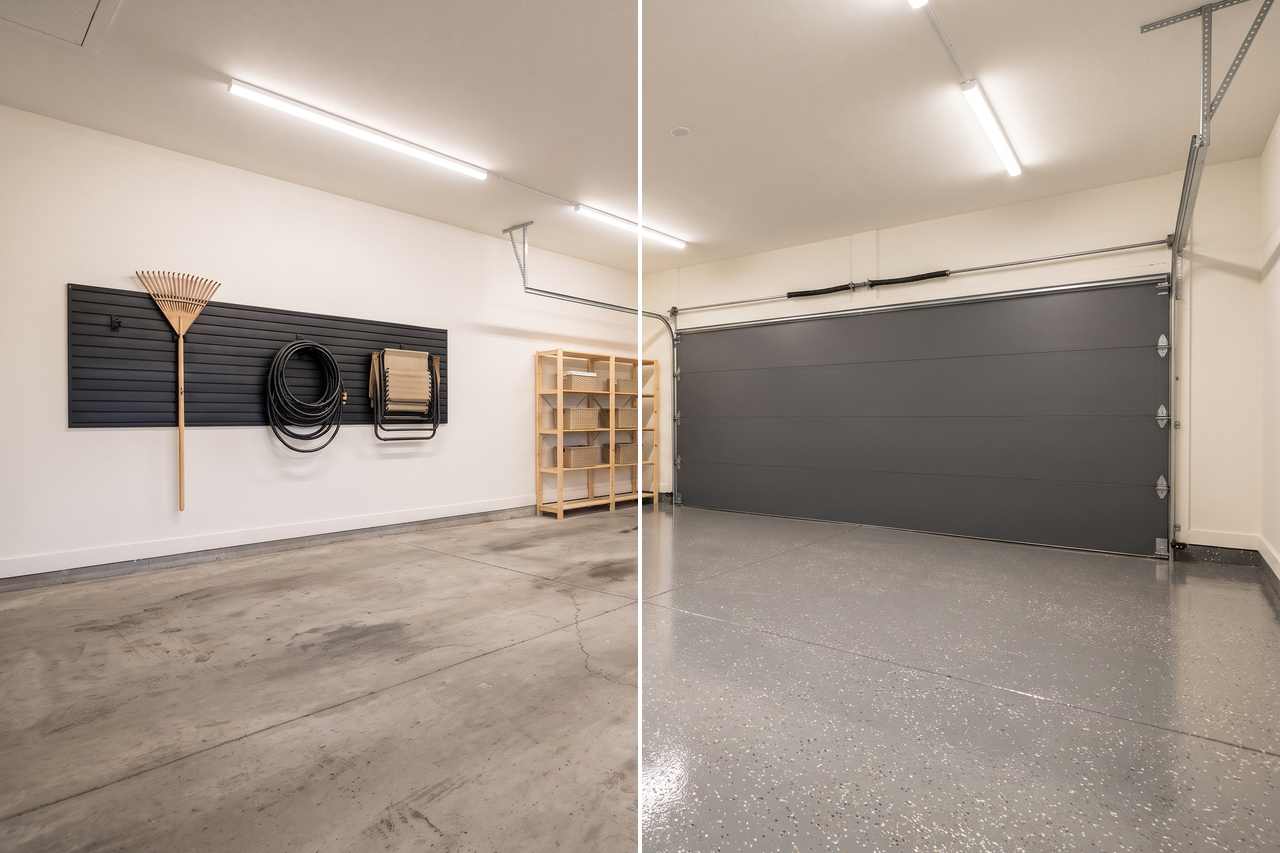
Sealed with polyaspartic, the concrete holds spills and grime where they land rather than drinking them in. Spilled antifreeze, a splash of solvent or a tire’s worth of mud comes up from a coated surface far more easily than from raw concrete.
A flake broadcast lends color depth and a touch of texture, at home in a family garage or a light-duty commercial room. For spots where footing gets wet, your installer may blend grit into the topcoat or go with a textured finish. What ends up specified reflects the space and the professional judgment of the installer.
Because a polyaspartic build generally cures faster than many traditional epoxy systems, scheduling-conscious owners often ask about it. How the work gets scheduled rests on the project and the contractor. Size, current condition, prep needs and the chosen system all shape the timeline, which your installer explains before work begins.
What Do Polyaspartic Floor Coatings Cost?
Several variables steer polyaspartic pricing: how the slab looks and what prep it demands, the count of cracks or spalls to fix, whether the build is all polyaspartic or polyaspartic over epoxy, the size of the room and the finish you pick.
Slabs differ too much for a responsible figure to come before anyone sees the concrete. Pricing tied to the real job comes from the flooring professional after the room is measured, its condition reviewed and the full scope worked out.
Common Questions About Polyaspartic Floor Coatings
Does polyaspartic cure faster than epoxy does?
Typically, yes. Polyaspartic, as a coating class, generally cures faster than many traditional epoxy systems—worth weighing during planning. On a specific floor the cure hinges on the product, the coat count and how warm and humid the site is. Your installer covers what to expect before work begins.
Is polyaspartic a good fit for every concrete floor?
Not necessarily. Polyaspartic resists UV discoloration better than many conventional epoxies, and the polyaspartic layer generally cures faster than many traditional epoxy systems. Fit, though, still comes down to slab condition, how the space is used and budget. Ordinary epoxy builds healthy thickness and does fine in a lot of sheltered indoor rooms. Floors facing more sun or wear often end up with an epoxy base under a polyaspartic topcoat. The final call follows an assessment of the floor.
Why does sunlight matter when choosing a coating?
Under steady sunlight, many conventional epoxies can drift in color, going amber or washed-out until a recoat becomes the fix. Polyaspartic stands up to that exposure better than many standard epoxy products, which is why it deserves consideration for garages and rooms soaked in direct or bounced light. Whether it matters for your floor is a question of product choice and real sun exposure, which an on-site look sorts out best.
Will polyaspartic work on an outdoor slab?
Possibly, pending an evaluation. Covered patios, carports and comparable sheltered slabs may be good candidates, given the UV resistance and abrasion performance of polyaspartic. Whether a particular surface qualifies depends on slab condition, drainage, how much sun and weather reach it and what the surface must handle; an on-site assessment settles the question first.
Does a glossy coating turn slippery when wet?
Gloss and water can make for poor footing. Broadcast flake roughens the surface enough to help, and where wet traction matters, grit additives or a textured topcoat are options to specify. Raise traction questions with your installer before anything is locked in.